
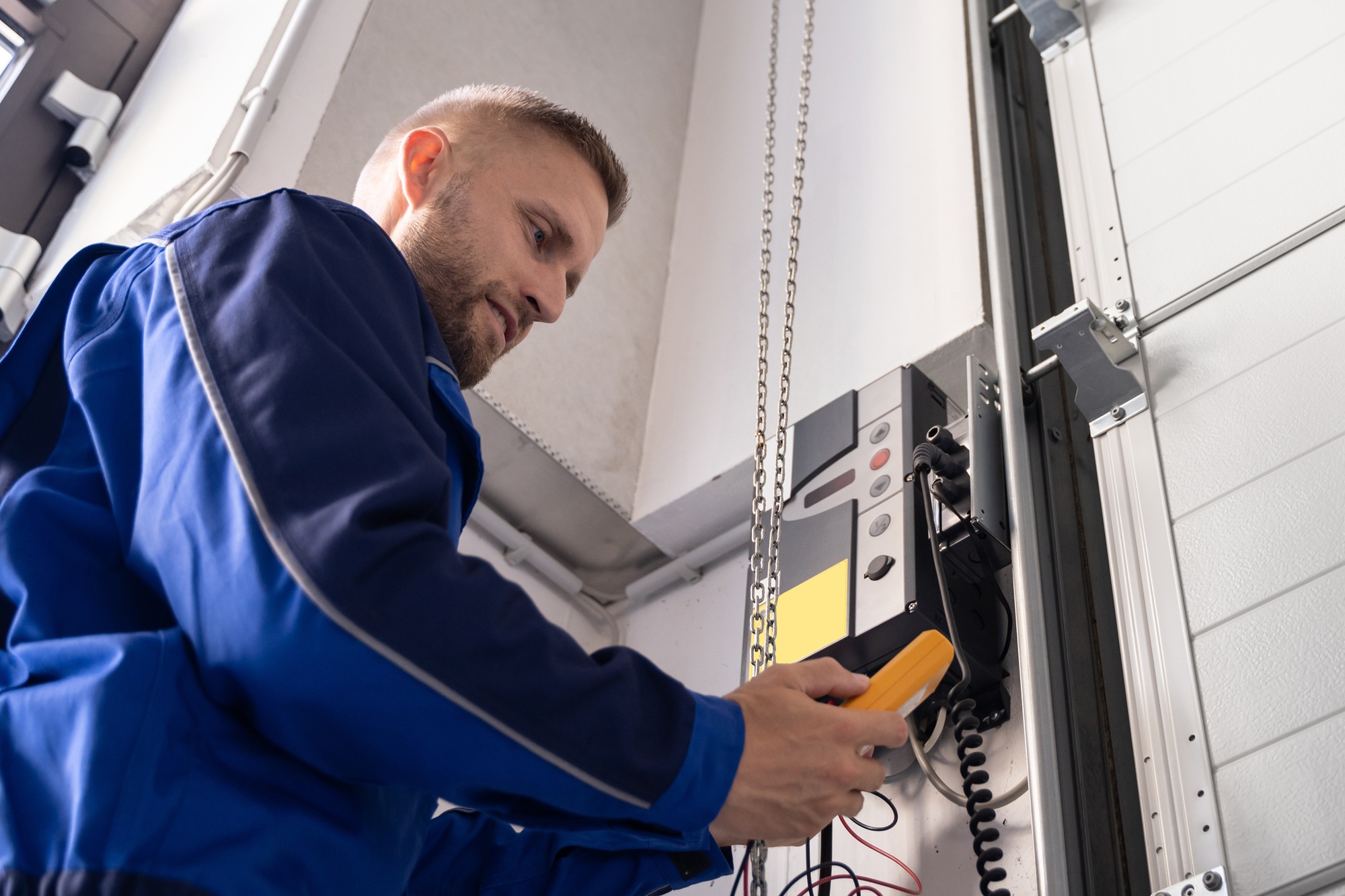
Why High-Cycle Garage Doors Require More Than Standard Spring Replacement and Basic Installation
A garage door might open and close several times a day, but in high-cycle systems, those repeated movements place enormous stress on springs, tracks, cables, and lift mechanisms. During garage door replacement in Vancouver WA, technicians must carefully evaluate how the counterbalance system distributes operational force to prevent early wear and system instability. At Pioneer Garage Doors, replacement projects focus on recalibrating the entire garage door system for long-term durability, not just installing new panels.
High-cycle systems are common in busy households, commercial properties, and garages with multiple daily operations. Over time, repeated cycling affects torsion spring tension, garage door roller alignment, garage door cable stress, and opener performance. If those counterbalance factors aren’t reconfigured correctly during replacement, the new system may experience uneven lifting, accelerated fatigue, and recurring repair services much sooner than expected.
Garage door replacement for high-cycle systems requires evaluating spring tension, load distribution, track geometry, cable alignment, and opener compatibility. Proper counterbalance reconfiguration helps reduce operational stress, improve cycle longevity, and prevent premature wear across the entire garage door system.
Why High-Cycle Garage Doors Experience Different Types of Mechanical Stress
Most residential systems are designed for moderate daily use. High-cycle systems operate under entirely different conditions.
Every open-and-close cycle transfers force through the garage door spring, hinges, lift units, tracks, and rollers. In high-cycle systems, those forces repeat thousands of additional times each year. Tiny calibration problems that might seem harmless in standard systems become major mechanical issues at high operational frequencies.
This is why a garage door professional evaluates much more than the visible door during replacement. The counterbalance setup determines how smoothly weight transfers through the overhead door structure during every cycle.
Homeowners often ask, Why do some systems wear out faster, even with regular garage door maintenance? The answer usually comes down to poor counterbalance calibration and mismatched component loads.
Why Counterbalance Errors Often Cause “Random” Operational Problems
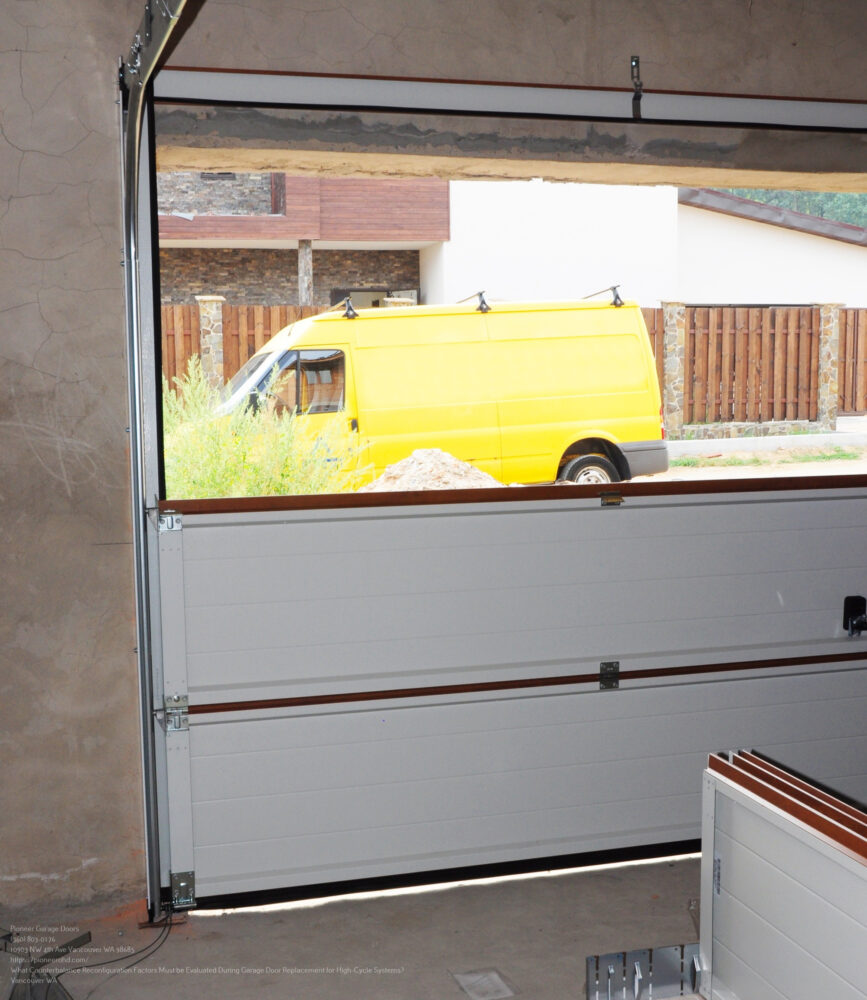
One of the most misunderstood issues in garage door repair is intermittent system behavior.
A door may appear functional while secretly operating under uneven force distribution. Eventually, symptoms begin appearing:
- Jerking movement
- Uneven lifting
- Loud operational noise
- Opener hesitation
- Premature garage door cable wear
- Track vibration
Organizations like the Door & Access Systems Manufacturers Association establish operational standards that help technicians evaluate system balance and long-term safety performance.
Counterbalance instability rarely creates immediate catastrophic failure. Instead, it gradually accelerates wear across the entire garage door system.
Need Professional Garage Door Replacement?
Contact Pioneer Garage Doors today for reliable high-cycle system solutions.
How Garage Door Replacement Reconfigures Spring Balance for Long-Term Stability
When performing garage door replacement in Vancouver WA, technicians must determine whether the original spring system matches the operational demands of the new setup.
A heavier, insulated overhead garage door completely changes the lifting dynamics. Garage door panels, weather seal systems, and upgraded garage door components alter the total operational weight. That means older torsion spring calculations may no longer apply.
At Pioneer Garage Doors, technicians measure:
- Door weight
- Cycle expectations
- Track radius
- Lift configuration
- Opener strength
- Cable positioning
This allows the new garage door system to distribute force evenly across the opening, preventing overloading specific hardware points.
Without this recalibration, spring repair needs increase rapidly, and system strain develops prematurely.
The Hidden Relationship Between Torsion Spring Size and Cycle Longevity
Not all torsion spring systems are engineered equally. Two springs may appear similar while performing very differently under long-term cycling conditions.
Spring diameter, wire gauge, coil length, and torque capacity all influence operational lifespan. High-cycle applications typically require upgraded spring replacements capable of handling significantly more operational cycles than standard systems.
For example, some systems installed in Vancouver, WA, homes may support only 10,000 cycles under standard configurations. High-cycle upgrades can dramatically increase operational longevity when calibrated properly.
That’s why experienced garage door companies treat spring configuration as an engineering decision rather than a routine hardware swap.
Why Lift Units and Garage Door Openers Must Match Counterbalance Requirements
Garage door opener systems are directly affected by counterbalance setup. If spring tension is incorrect, the opener compensates by working harder than intended.
This creates unnecessary stress on:
- Lift units
- Motor assemblies
- Garage door tracks
- Garage door rollers
- Garage door hinges
- Garage door sensors
Modern garage door opener installations often include smart operational settings that monitor resistance levels. Improper balance can trigger erratic movement or dramatically shorten the lifespan of the opener.
A properly configured garage opener should guide the system—not fight against its weight.
This is one reason garage door opener repair requests often increase after poorly calibrated replacement projects.
What Technicians Evaluate Before Replacing High-Cycle Systems
Every high-cycle replacement begins with a deeper diagnostic process than standard installations.
Technicians typically inspect:
- Existing spring fatigue
- Track alignment
- Cable wear
- Hinge stress
- Roller deformation
- Lift force consistency
- Structural mounting stability
At Pioneer Garage Doors, this evaluation helps determine whether upgraded garage door spring replacement systems are necessary to support the new configuration.
In some cases, older garage door components can no longer safely support the increased demands of newer systems. Replacement becomes less about appearance and more about restoring operational balance.
Why Commercial and Residential High-Cycle Systems Need Different Reconfiguration Strategies
A busy residential garage in Battle Ground may cycle several times daily. Commercial systems with dock levelers and delivery access points may cycle dozens of times every day.
That distinction changes how replacement systems are configured.
Commercial overhead door systems often require:
- Heavier-duty torsion spring systems
- Reinforced lift units
- Stronger garage door tracks
- Upgraded cable assemblies
- Industrial-grade hardware
Residential garage door systems prioritize quieter operation, customer satisfaction, and curb appeal while still maintaining durability and residential safety.
At Pioneer Garage Doors, technicians customize replacement configurations based on operational frequency instead of applying generic installation methods.
The Structural Impact of Improper Counterbalance Reconfiguration
Poor spring calibration affects more than mechanical performance. It also influences structural load transfer across the opening frame.
When one side of the system carries more lifting force than the other, mounting brackets experience uneven stress. Over time, this can affect:
- Track positioning
- Framing stability
- Fastener integrity
- Garage door hinge alignment
- Sensor calibration
This becomes especially important in older Southwest Washington homes, where structural materials may already be experiencing moisture-related expansion and contraction.
Proper garage door replacement protects both the system and the surrounding structure.
Why High-Cycle Systems Require Ongoing Maintenance Planning
Even perfectly balanced systems require periodic garage door tune-ups and maintenance services.
High-cycle systems naturally experience faster wear because operational movement never stops. Components like rollers, springs, cables, and weather seals require regular inspection to maintain performance.
At Pioneer Garage Doors, our maintenance solutions focus on preventing emergency garage door repairs before they occur. Same-day service availability also helps reduce downtime when adjustments become necessary.
Homeowners who schedule regular inspections typically experience fewer unexpected failures and a longer overall lifespan for their systems.
Pioneer Garage Doors — The Smart Choice for High-Cycle Garage Door Performance
We at Pioneer Garage Doors provide the best solutions to our customers by carefully engineering every replacement system to balance operational performance, cycle demands, and long-term structural stability. Our team evaluates spring calibration, counterbalance performance, opener compatibility, and track alignment to ensure reliable daily operation.
We proudly provide garage door repair, installation, replacement, maintenance, emergency garage door repair, garage door spring replacement, garage door opener installation, and commercial door company services throughout Vancouver WA and Southwest Washington.
Our commitment to customer service, customer satisfaction, professional service, and same-day service support allows homeowners and businesses to feel confident that their systems are built for long-term performance. Contact Pioneer Garage Doors today for expert garage door replacement in Vancouver WA.
Need Professional Garage Door Replacement?
Contact Pioneer Garage Doors today for reliable high-cycle system solutions.